

Flood insurance is one of those things most homeowners don’t think about until the water is already rising. If you live in Southwest Virginia, you know how quickly a heavy rain can turn a quiet creek into something far more serious. Getting flood insurance before a storm hits isn’t complicated, but there are a few steps to understand so you’re not scrambling at the last minute.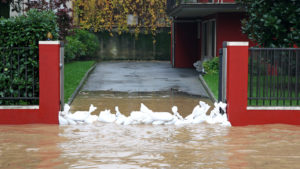
Why Standard Home Insurance Doesn’t Cover Floods
This surprises a lot of people. A typical homeowners policy covers many perils, but flooding from external water sources is almost always excluded. That means if a nearby river overflows or a storm dumps several inches of rain and water enters your home, your standard policy likely won’t pay for the damage. Flood coverage has to be purchased separately, and that’s true whether you’re in Marion, Abingdon, or anywhere else in the region.
The good news is that flood insurance is widely available, and an independent agency like ours can walk you through your options without pressure or confusion.
Know Your Flood Risk First
Not every property carries the same level of risk. Some areas of Southwest Virginia, including parts of Wytheville and communities near the Holston River corridor through Chilhowie and Bristol, sit in or near designated flood zones. Others are at lower risk but still vulnerable to surface flooding during severe storms.
A quick way to get a general sense of your property’s risk is to check FEMA’s Flood Map Service Center online. Your insurance adviser can also help you interpret what a flood zone designation actually means for your coverage needs and your premiums. Properties in higher-risk zones may even be required by their mortgage lender to carry flood coverage.
How to Get Coverage: The Basic Steps
The process is more straightforward than most people expect. Here’s how it typically works.
Start with a conversation. Talk to an insurance adviser who knows the area. We’ve been serving families and businesses in Washington, Smyth, and Wythe Counties since 1910, so we have a genuine feel for the risks that come with living in this part of Virginia. We can review your current policies, identify any gaps, and explain what flood coverage would add.
Choose your coverage type. Most residential flood policies are issued through the National Flood Insurance Program, which is federally backed. Some private flood insurance options also exist and may offer different coverage limits or pricing. We work with multiple carriers, so we can compare what’s available and help you find something that fits your situation.
Pay attention to the waiting period. This is the detail that catches people off guard. Standard NFIP policies typically include a 30-day waiting period before coverage takes effect. That means if a storm is already in the forecast, it’s too late to buy a policy and expect it to cover that event. September can bring heavy rainfall to Southwest Virginia, so if you’ve been putting this off, now is a good time to act.
Understand what’s covered. A flood policy generally covers the structure of your home and, with a separate policy, your personal belongings. It does not typically cover temporary housing or landscaping. Knowing exactly what you’re getting helps you plan accordingly and avoid surprises after a loss.
Don’t Forget Your Business or Farm
Flood risk isn’t just a homeowner concern. If you run a small business in Abingdon or Marion, or if you operate a farm anywhere in the surrounding areas, your property and equipment face real exposure too. Commercial flood coverage exists, and it’s worth a conversation if you haven’t reviewed your business or farm policies recently.
A Few Final Thoughts
Flooding can happen even in areas that have never flooded before. Climate patterns shift, drainage systems age, and one unusual storm can change everything. The modest cost of a flood policy is almost always far less than the cost of recovering from even a few inches of water inside a home or business.
Our team at Slemp Brant Saunders is here Monday through Friday from 8:30 in the morning until 5:00 in the afternoon, and we’d genuinely enjoy helping you sort through your options. Please give us a call or drop us an email if you have questions. We’re glad to help.